December 30, 2025
Choosing the right water heating system is an important decision for homeowners. With so many options available, it can be confusing to determine which type best suits your household’s needs. Tank and tankless systems each have unique benefits, costs, and installation requirements. Understanding the differences helps homeowners make informed decisions that balance efficiency, convenience, and long-term value. Beyond basic functionality, the choice can impact energy use, water availability, and maintenance needs. Below, we explore the key factors to consider when deciding between tank and tankless options.
Understanding How Water Heaters Work
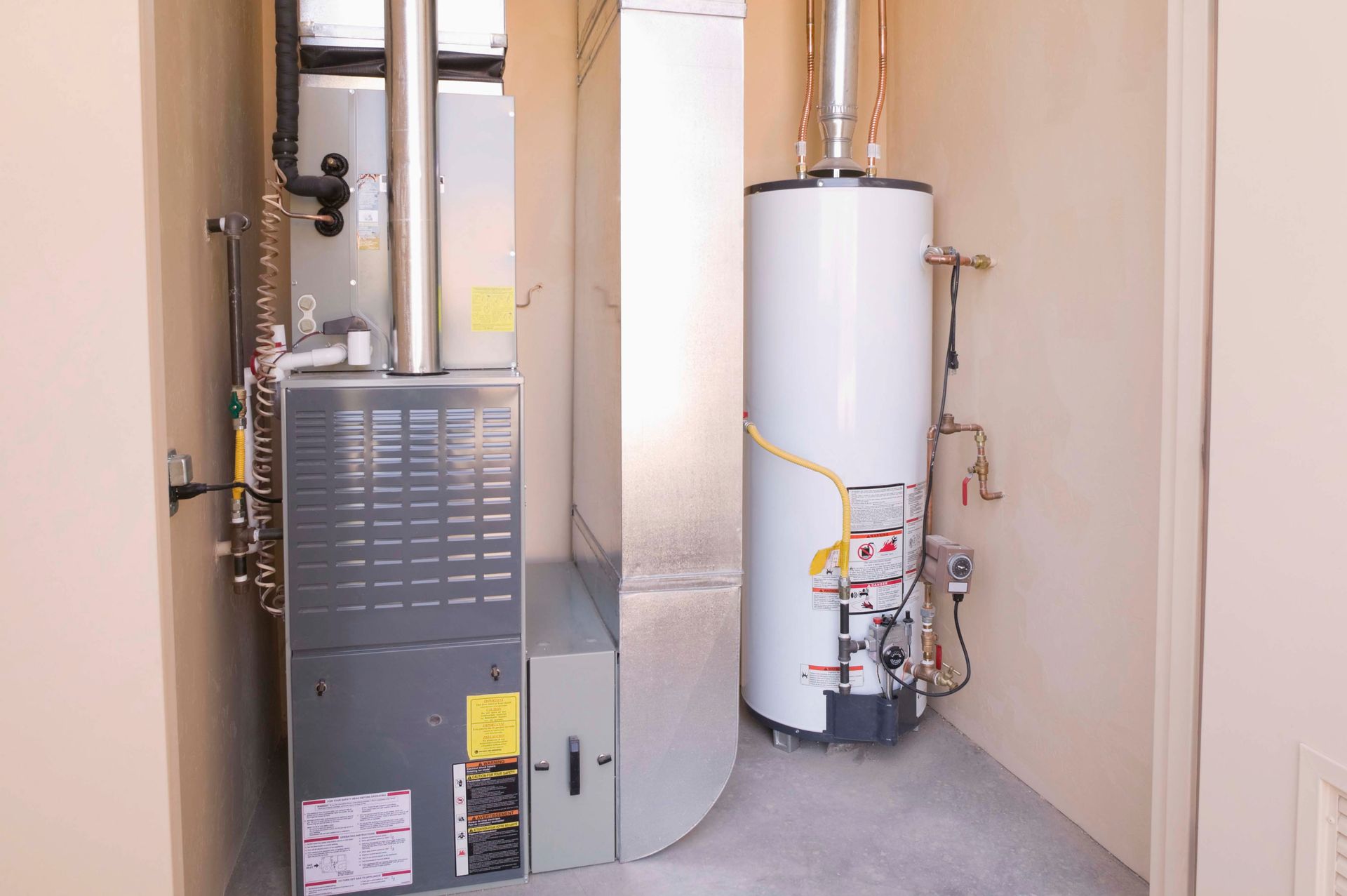
Tank systems store a large volume of hot water in a reservoir ready for use. They continuously heat water to maintain the desired temperature, even when not in use. This ensures hot water is available for showers, laundry, and dishwashing. Tank units are straightforward to install and typically require fewer adjustments to existing plumbing. Regular maintenance, such as flushing the tank to remove sediment, helps extend the system’s lifespan. Their reliability and simplicity make them a popular choice for many homeowners.
Water heaters that are tankless, sometimes called on-demand systems, heat water only when needed. This eliminates energy losses associated with stored water in tanks. Tankless units can supply continuous hot water for multiple appliances at the same time. They take up less physical space, making them ideal for smaller homes or tight utility areas. Installation can be more complex due to venting and electrical or gas requirements. Many homeowners appreciate the energy efficiency and space-saving benefits of these types of units.
Energy efficiency is a major consideration when choosing a water heating system. Tankless models typically use less energy since water is heated only when necessary. Tank systems can lose heat while maintaining water at a constant temperature. Homeowners should weigh potential energy savings against installation costs. Choosing an efficient system can also support sustainability goals. Proper selection helps reduce long-term energy expenses.
Assessing Installation and Maintenance Costs
Installation costs vary depending on the type of system. Tank units are usually simpler and less expensive to install, particularly in new construction or renovations. Tankless units often require specialized plumbing and electrical work, which increases upfront costs. According to Wifi Talents, water heater installations make up roughly 20% of residential plumbing jobs annually, showing how common professional installation is for households. Maintenance also differs: tank systems may require regular flushing, while tankless systems might need descaling to prevent mineral buildup. Knowing these factors helps homeowners plan budgets accurately.
Water heaters differ in durability depending on type and maintenance. Tank systems typically last 10 to 15 years, while tankless systems can last 20 years or more. Manufacturer warranties vary based on the model. Regular maintenance, such as sediment removal and component checks, prolongs the system’s life. Considering expected usage helps homeowners select a system that provides reliable hot water for the long term. Choosing a durable system can save on replacement costs over time.
Hot water demand influences which system is suitable. Tank units provide a fixed volume of hot water, which may run out during peak use. Tankless systems can provide continuous hot water, but flow rates are limited by unit capacity. Homeowners should consider the number of bathrooms, appliances, and simultaneous water usage. Proper sizing ensures comfort without interruptions. Consulting a professional helps determine the correct capacity for your household.
Considering Space Requirements
Space availability often affects the decision between tank and tankless options. Tank units need a larger footprint to store water. Tankless models are compact and can be mounted on walls, saving floor space. This makes them suitable for smaller homes, apartments, or remodeling projects. Space-efficient systems also simplify utility planning. Homeowners should consider current and future space needs when choosing a system.
Water heaters require attention to safety considerations. Tank units can develop leaks or ruptures, which may cause water damage. Tankless systems have less water volume, reducing the risk of catastrophic leaks. Proper installation by licensed professionals is essential for safe operation. Manufacturer warranties and labor coverage provide peace of mind. Following maintenance recommendations further reduces potential risks.
Environmental concerns influence system selection. Tankless systems generally consume less energy, producing lower carbon emissions. Tank systems use more energy to maintain stored water temperatures. Choosing energy-efficient systems reduces waste and supports sustainability. Some homeowners may qualify for incentives or rebates when installing efficient systems. Considering environmental impact helps align choices with long-term goals.
Assessing Initial vs. Long-Term Costs
Initial and long-term costs differ between tank and tankless systems. Tank units are usually less expensive upfront. Tankless systems may have higher installation costs but lower energy bills over time. Homeowners should weigh initial investment against lifetime savings. Warranties and professional support also affect cost-effectiveness. Careful planning ensures the best financial decision for the household.
Modern water heaters feature improved technology for convenience and efficiency. Tankless units may include digital temperature controls and monitoring features. Some tank systems have better insulation or faster recovery rates. Smart features allow homeowners to monitor energy use and detect maintenance needs. Technological improvements enhance comfort and system performance. Upgrading to advanced systems can improve long-term satisfaction.
Water heater selection is influenced by remodeling or new construction plans. Tank units are easier to integrate during traditional construction. Tankless models offer flexibility in placement, which is helpful for renovations or bathroom remodeling. Coordinating plumbing and electrical work ensures smooth installation. Professional guidance ensures the system fits the home layout and utility needs. A well-chosen system complements both new and existing structures.
Considering Professional Installation
Proper installation is key to reliable operation. Licensed plumbers ensure connections are secure, pressure relief valves work correctly, and the system operates efficiently. Following local codes and safety standards prevents future problems. Incorrect installation can lead to leaks, reduced efficiency, or warranty issues. Professional installation protects your investment and guarantees long-term performance. Homeowners benefit from expert guidance and peace of mind.
Maintenance is necessary to keep water heaters operating effectively. Tank units may require annual flushing to prevent sediment buildup. Tankless systems sometimes need descaling to maintain the heat exchanger. Routine inspections help identify potential problems before they worsen. Knowing maintenance needs ensures consistent hot water. Regular care prolongs system life and performance.
Warranties and service agreements add protection for water heater owners. Manufacturer coverage protects against defects, and labor warranties cover installation issues. Both tank and tankless models may offer warranties, but details vary. Homeowners should check coverage length, conditions, and exclusions. Emergency repair services can improve reliability. Warranties give confidence in long-term system performance.
Making the Final Decision
Choosing the right water heater depends on cost, efficiency, lifespan, and household needs. Professional assessment ensures the correct system is selected. Considering long-term savings, space, and maintenance helps make an informed choice. Homeowners can balance initial investment with operational benefits. Licensed professionals provide guidance for proper sizing and installation. Thoughtful evaluation leads to satisfaction and reliable hot water for years.
Selecting the right system impacts both comfort and efficiency in the home. Quandt Plumbing, LLC provides expert solutions for plumbing, water heaters/softeners, bathroom remodeling, and new construction. With great service and response time, manufacturer warranties, and a 1-year labor warranty, their licensed team ensures reliable installation and maintenance. Their knowledgeable staff also offers personalized guidance, preventative maintenance tips, and ongoing support to keep your home systems running smoothly. For more information, contact us today!