November 2, 2026
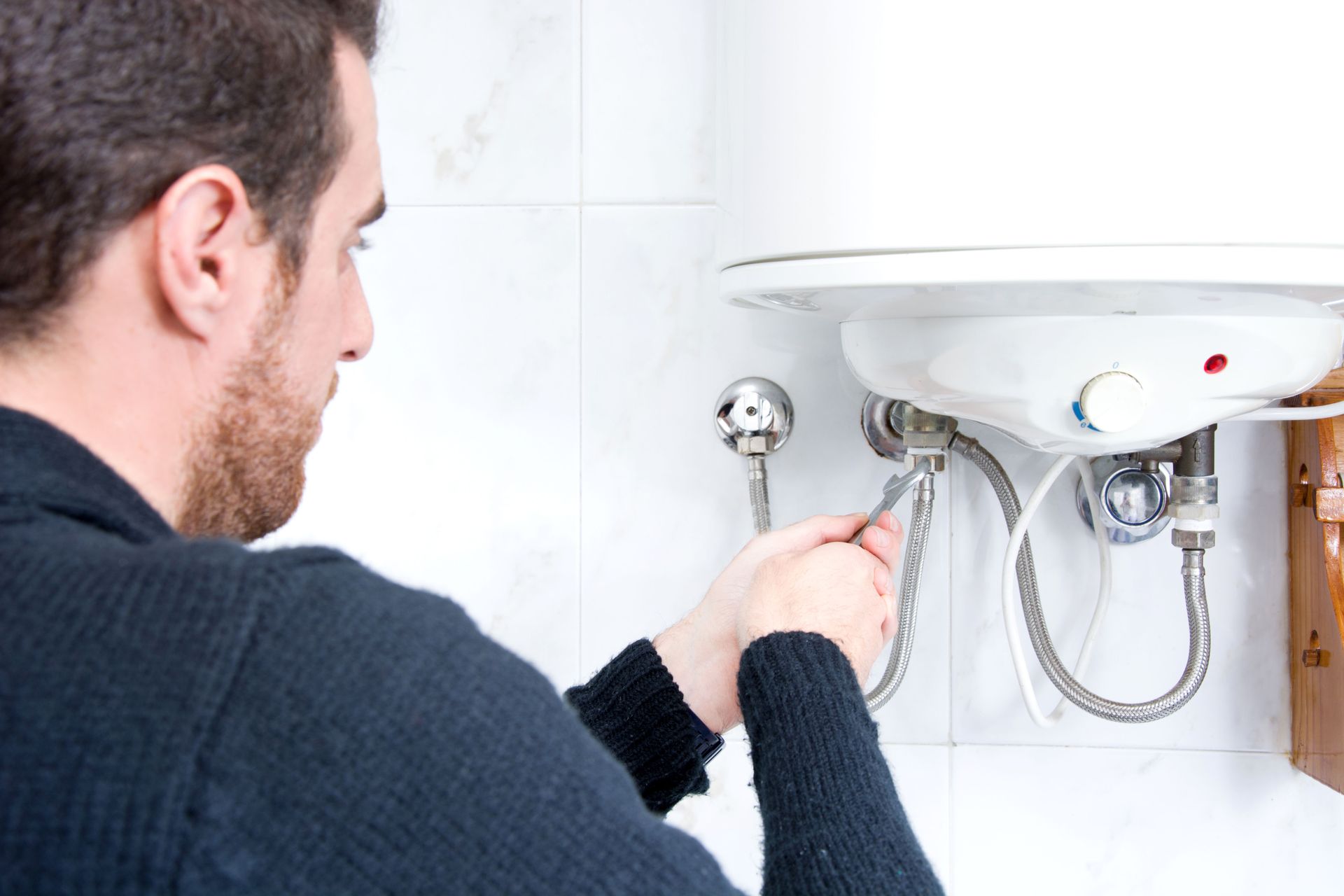
Deciding to remodel your home is a major financial and personal undertaking that requires careful organization. Renovations alter your living space, improve functionality, and protect the overall value of your real estate investment. A complete overhaul typically involves multiple stages, from concepts to finishing with intricate mechanical installations. Homeowners frequently pair aesthetic renovations with comprehensive water heater services to ensure their domestic utility infrastructure supports modern luxury additions. Addressing plumbing lines and hot water systems during initial construction phases avoids the disruption of tearing into completed drywall or tile later.
Finding the right general contractor determines whether your venture proceeds smoothly or faces costly delays. Working alongside qualified tradespeople establishes high standards of craftsmanship, accurate code compliance, and consistent daily oversight across every facet of construction. Taking time to define expectations, study standards, and vet candidate portfolios allows you to approach the market with certainty. Preparation minimizes stress and shields your budget from unexpected financial overruns. Collaborating with licensed contractors who manage schedules and coordinate trade specialists ensures that your domestic transformation meets your long-term aesthetic and operational goals.
Assessing Your Project Scope and Budget
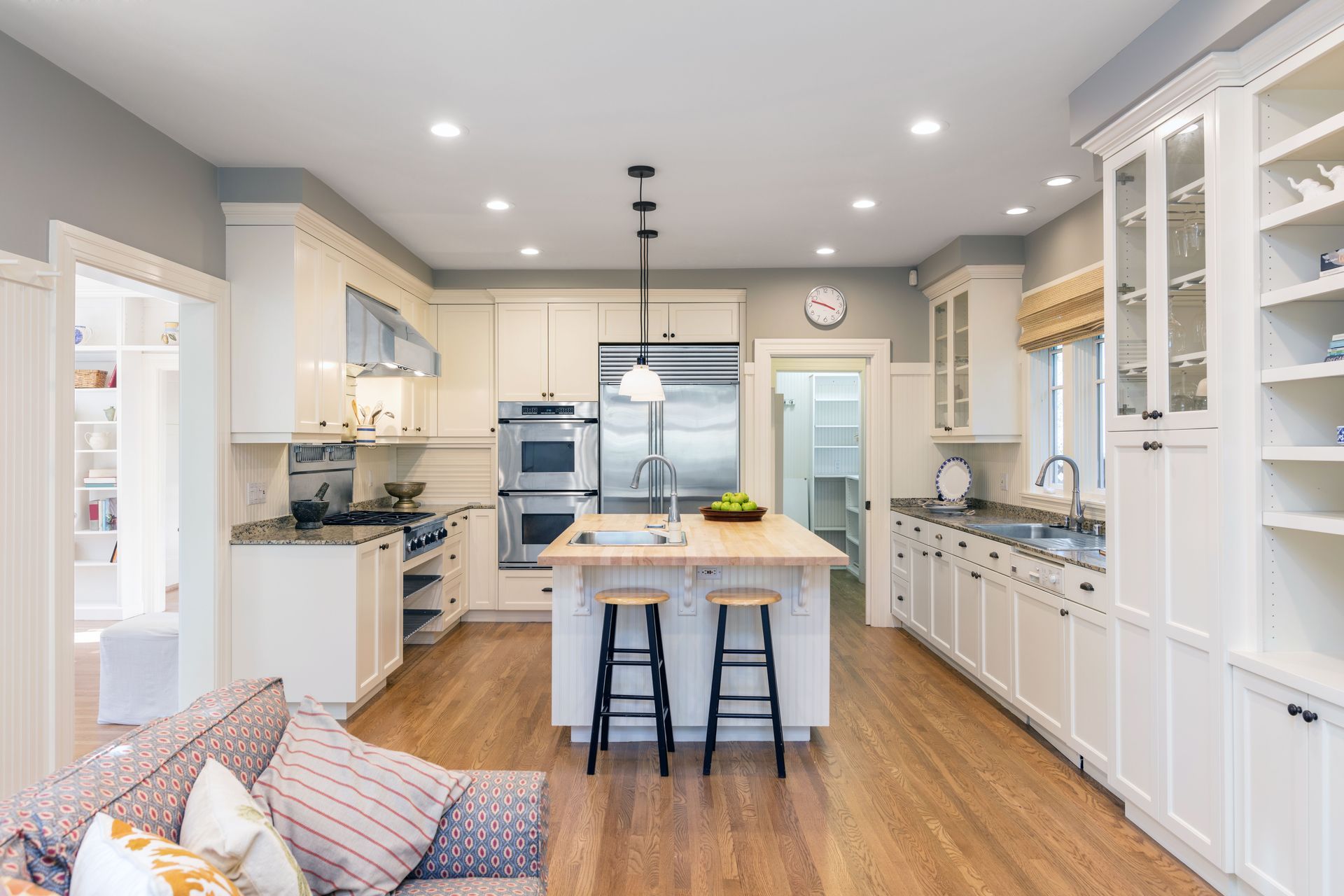
Before signing contracts or starting demolition, establish the exact boundaries of your upcoming renovation. A comprehensive evaluation requires looking beyond surface cosmetics to inspect foundational components, load-bearing walls, ventilation conduits, and primary plumbing connections. Upgrading a kitchen or expanding a bathroom frequently demands more volume from utility lines. Integrating high-capacity water heater services into your baseline financial allocation guarantees that your plumbing setup seamlessly supports large appliances. Taking account of mechanical requirements at the outset keeps your budget realistic and stops secondary expenses from derailing your timeline.
Developing a financial framework necessitates balancing personal design aspirations against practical market returns. Setting aside an appropriate contingency reserve helps absorb unanticipated expenses that appear once walls are opened, such as deteriorated subfloors or outdated wiring. Homeowners who invest in these systems can not only benefit from reduced utility bills but may also qualify for incentives such as the federal Energy Efficient Home Improvement Tax credit. According to Homeguide, installations of new water heaters can earn homeowners a 30% return on project costs, with a maximum credit of $2,000. Aligning structural desires with proven efficiency upgrades maximizes equity retention, lowers operating costs, and protects your home against premature mechanical failures.
Researching Professional Credentials and Reputation
Conducting background research on prospective builders is a foundational responsibility for any property owner. Begin your search by consulting local building registries, licensing boards, and trade organizations to verify active operating status, proper bond coverage, and general liability insurance. Verifying that a builder works exclusively with certified subcontractors for complex utility tasks is equally critical. For instance, contractors who partner with licensed specialists for water heater services ensure that installations adhere strictly to municipal safety ordinances, manufacturer warranties, and building codes. Authentic qualifications demonstrate that a contracting firm respects professional accountability, continuous training, and consumer protection protocols.
Complement credential screening by evaluating public consumer feedback across independent review platforms and speaking with recent clients. Examine how long a company has operated under its current name and whether its project portfolio features homes with comparable architectural styles. A reliable business readily shares references, displays active licensing numbers, and presents detailed case studies highlighting past structural renovations. Calling former clients allows you to inquire directly about job site cleanliness, punctuality, and how the builder managed structural hurdles during regular working hours. A contractor with an unbroken history of verified craftsmanship provides strong assurance that your residence will receive diligent construction management.
Conducting Thorough Candidate Interviews
Meeting face to face with prospective remodeling specialists gives you firsthand insight into their operational methods, organizational habits, and communication standards. Prepare an organized list of questions centered on construction site management, permit acquisition procedures, waste disposal plans, and subcontractor supervision. Inquire how the team coordinates specialized mechanical updates alongside general construction tasks, particularly when modernizing plumbing networks with advanced water heater services. Observing how candidly a builder addresses complex scheduling challenges and supply chain volatility demonstrates whether their operational ethos fits your personal preferences and daily household routines.
Clear communication remains the bedrock of any successful residential renovation experience. Pay close attention to whether the contractor listens actively to your functional goals, offers thoughtful solutions, and respects your predetermined financial limits. An experienced project manager articulates realistic daily milestones, explains the sequence of trade schedules, and provides structured progress reports without technical jargon. If a representative appears vague regarding material procurement lead times or fails to clarify project leadership responsibilities, consider those traits clear warning signs. Selecting a contractor who communicates with transparency and consistency establishes a collaborative partnership that keeps the job progressing smoothly.
Reviewing Estimates and Scope Documentation
Evaluating formal construction bids involves much more than comparing the final bottom-line figures on the page. A dependable contractor provides an itemized estimate that breaks down expenses for administrative permits, structural materials, finish selections, labor rates, and waste removal. The proposal must clearly delineate specifications for mechanical equipment, specifying brand names, model capacities, and efficiency ratings whenever major utility fixtures are replaced. Incorporating dedicated water heater services into the detailed scope of work ensures that all necessary pipe fittings, pressure valves, venting components, and labor allowances are thoroughly documented. A transparent document prevents future misunderstandings and protects both parties against unexpected cost inflation.
Scrutinizing written contracts requires checking payment schedules, milestone completions, and formal change order procedures. Be cautious of contractors who demand unusually large upfront cash payments before work commences or materials arrive at your home. A professional agreement ties disbursements to specific benchmarks, such as completing the framing, passing municipal mechanical inspections, or finishing cabinet installations. Furthermore, the contract should outline standard working hours, daily cleanup expectations, and clear warranties covering both labor craftsmanship and installed fixtures. Taking the necessary time to read every clause, ask clarifying questions, and formalize all verbal commitments in writing protects your financial interests throughout the remodeling engagement.
Preparing Your Living Space for Construction
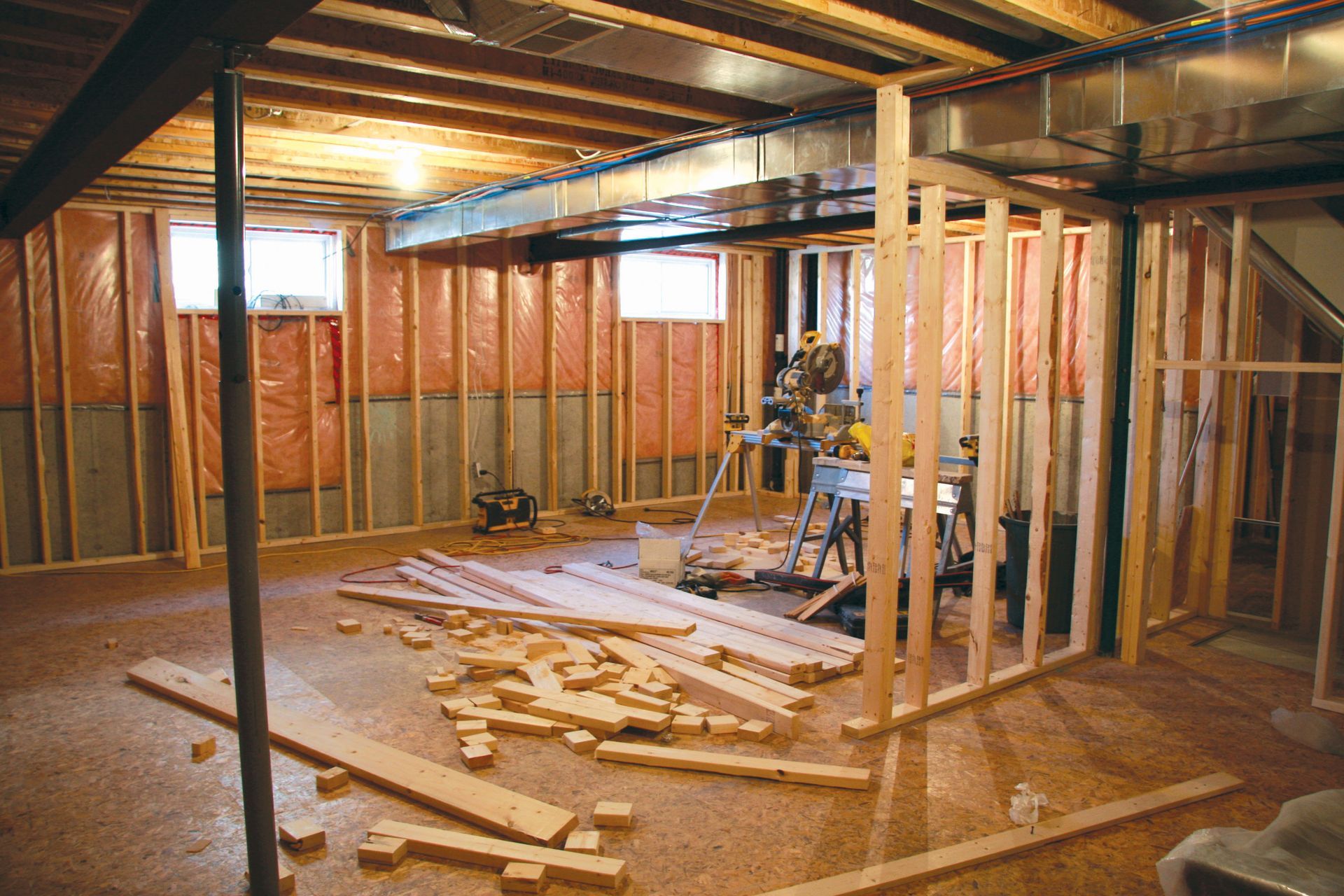
Adequate residential preparation minimizes disruption and facilitates an efficient construction workflow once demolition starts. Clearing out personal possessions, covering nearby furniture with protective sheeting, and establishing clear pathways for crews protect your valuable belongings from heavy dust and accidental damage. Coordinate utility access points with your builder ahead of time, ensuring clear paths to the electrical panel, water shutoff valves, and heating appliances. If your renovation requires upgrades like water heater services, clear the mechanical room or basement workspace so technicians can inspect connections, modify lines, and position new units safely. Creating an organized staging area allows trade specialists to complete their daily assignments swiftly.
Establishing daily household routines with your project supervisor maintains order and preserves personal comfort throughout the renovation. Discuss daily arrival and departure times, designated parking spaces for work vehicles, and guidelines for securing exterior doors and interior dust barriers. Because extensive construction work can temporarily interrupt fresh water or electricity supplies, arranging scheduled utility disruptions during normal business hours helps keep your daily household schedule running smoothly. Maintaining a shared daily log or weekly check-in meeting keeps you updated on upcoming trade arrivals, inspection dates, and material deliveries. Proactive preparation, combined with structured daily site protocols, creates an efficient workspace that keeps construction on schedule.
Upgrading your home through well-planned remodeling enhances your living environment, boosts energy efficiency, and secures valuable equity for the future. Selecting a licensed, reputable general contractor ensures that design goals, structural modifications, and complex utility upgrades proceed according to established building codes and professional quality standards. Prioritizing mechanical elements alongside aesthetic finishes ensures that your modern layout functions flawlessly, backed by reliable plumbing and efficient utility infrastructure. Involving vetted professionals who handle everything from architectural planning to
water heater services creates a home that is both visually stunning and mechanically sound for many years to come.
When you are ready to modernize your living space and enhance domestic performance, partnering with established remodeling specialists makes all the difference. Qualified experts manage your project timeline with precision, install dependable appliances during standard business hours, and keep your property operating at peak efficiency throughout every phase of construction. Take the next step in revitalizing your property by contacting Quandt Plumbing to schedule a professional consultation and discover how skilled craftsmanship can bring your renovation vision to life.